Cavalok Cavity Closers
Eurocell approached us in to build a kit around their Cavalok cavity closer, a proprietary cavity closing system used to anchor plastic closers into brick walls. What started as a single kit design turned into direct management of Eurocell’s customer accounts and an ongoing product development relationship. Here’s how we identified on-site failure points and helped a national supplier reduce return rates across their product range.
Overview
The challenge
Cavalok is Eurocell’s proprietary cavity closing system, using straps to anchor a plastic cavity closer into a brick wall. Eurocell approached us to see if we could produce kits based on the system, giving installers everything they needed in a single package.
We delivered the initial kit, and Eurocell were happy with it. Shortly after, they handed us off to manage their customers’ accounts directly, rather than routing everything through Eurocell themselves. That put us in direct contact with the people installing the product, which meant we could develop it based on real feedback from the field rather than working at a distance from the end user.

Overview
How we helped
Working directly with installers surfaced a problem. Several components weren’t performing well on-site, and in some cases were leading to failures that meant refitting doors or windows. This outcome cost the customer money every time it happened.
We investigated a number of options to address the failure points. Alongside product changes, we developed on-site best practice guidance for installers. For example, using an impact drill on an aerated concrete block tends to destroy the block, because the drill wants to spin at maximum rate regardless of the material. Best practice is to instead use a manual socket set or screwdriver, adjustedto the torque the fixing requires. We built guidance like this into best practice boards installers could reference on-site.

Overview
The benefits
The customer has since rolled this guidance out across a national product range. Eurocell supplies some of the biggest names in the building industry, and since implementing the best practice procedures, they’ve seen very little return relating to the products and fitting methods covered in the guidance. That’s a direct reduction in the cost, time, and reputational risk that comes with failed installations at scale.

More case studies

Deep Sea Bolt Kitting Requirement
A customer supplying bolts as part of a direct-to-end-user assembly kept hitting a bottleneck.

PEEK Back Up Rings
One of our key customers came to us with a recurring fault on their PEEK Back Up Rings related to a critical angled cut on the product.
Sourcing Friction Shims
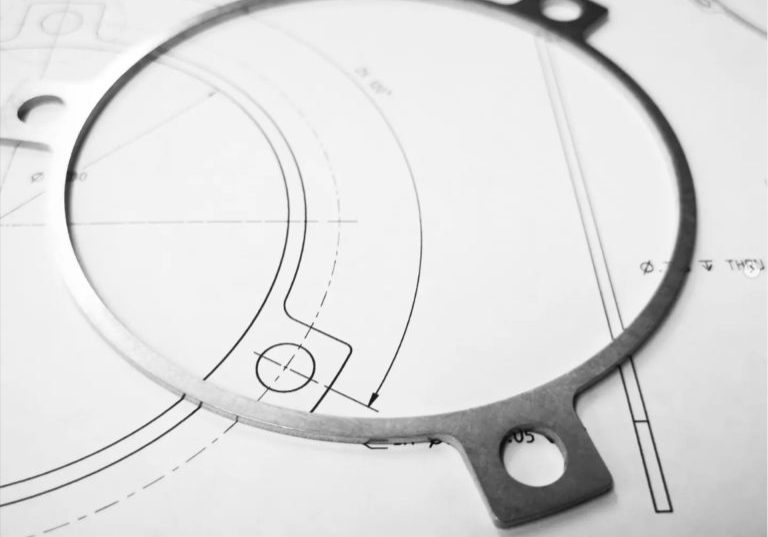
When a critical drivetrain component became impossible to source, a customer was left without a supply of friction shims they depended on

Time to talk
Testimonials
What our customers say
-
Coburns are a reliable and reactive supply chain partner, always willing and open to discuss and drive change initiatives.

-
Highly recommend, knowledgeable, reliable and easy to deal with.

-
Working with Coburn Fasteners is a simple and easy process. Whether you send an email or speak over the phone, nothing is inconvenient and they will do their up-most to help you. I would highly recommend Coburn Fasteners for a quote. Their fast and efficient service and delivery lead-time is excellent compared to a lot of vendors.
-
Coburn Fasteners is a responsive and reliable supplier that helps SLB efficiently source off-the-shelf and buy-house items. Their support reduces the need to onboard multiple suppliers and simplifies the procurement process and help us improve work efficiency and workload management.

-
When Jeremy approached us and said he could help with our kitting, it suddenly dawned on me just how inefficient our existing process had become. As our product range rapidly expanded, the time and effort involved in sourcing, designing and assembling kits in-house was becoming a real drain on the business.